History of the Endowment
Founded in 1984 following the successful Los Angeles Olympic Games, the U.S. Olympic and Paralympic Endowment (originally the U.S. Olympic Foundation) was established to create a permanent funding source supporting American athletes and Olympic sports.
United in Foresight, Strengthening Performance
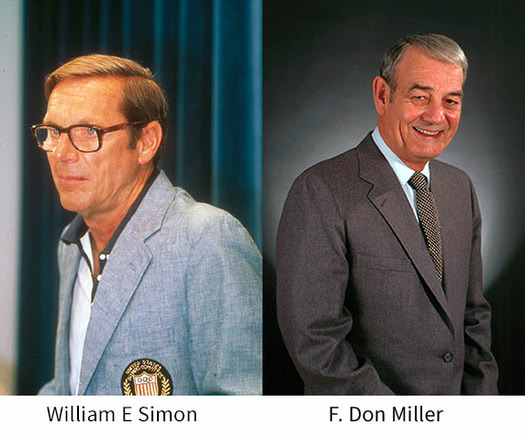
The United States Olympic and Paralympic Endowment stands as a testament to the forward-thinking vision of two remarkable leaders, William E. Simon and F. Don Miller. Their shared dream of establishing a permanent source of funding for U.S. Olympic athletes became a reality following the tremendously successful 1984 Los Angeles Olympic Games, which generated a quarter-billion dollar surplus. This historic achievement not only revitalized the modern Olympic movement but created an enduring legacy for American athletics.
Established on July 2, 1984, the organization (originally named the U.S. Olympic Foundation until 2013) was funded with $111.3 million from the USOC’s 40% share of the LA Games surplus and Olympic Coin Program proceeds. This permanent endowment operates with careful governance and fiscal responsibility, distributing grants based on total rate of return while preserving the principal investment—ensuring generations of American athletes continue receiving the support they need to represent our nation with excellence on the world stage.
Building a Legacy of Enduring Support
Together, Bill and Don were instrumental in implementing the arrangement whereby the USOC guaranteed the obligations of the Los Angeles Olympic Organizing Committee (LAOOC) and secured a portion of any surplus generated by the Games for the USOC and its National Governing Bodies (NGBs). The successful outcome of the Los Angeles Games resulted in a profit of a quarter of a billion dollars for the organizations and likely saved the modern Olympic Games.
Simon’s and Miller’s next task was to insulate the USOC’s funds from the inevitable demands of USOC members and administrative overhead, while building an ever-increasing endowment from which annual grants would be awarded for the benefit of the U.S. athletes and sport.


An Olympic Cornerstone: Sustaining Athletic Excellence
To achieve this, the USOC created the United States Olympic Foundation and designated it as the recipient of the majority of the LA surplus and funds generated by the 1984 Olympic Coin Program. The Foundation was incorporated as a separate legal entity on July 2, 1984, before the Games opened. It is governed by a board of directors: two members from NGBs, two athletes, four from the public sector, the board chairman of the USOC and the USOC CEO.
The U.S. Olympic Foundation (name was changed in 2013 to the U.S. Olympic Endowment) was established with the USOC’s share (40%) of surplus from the LA Games and a portion of the surcharge from sales of Olympic Coins allocated to the USOC (total $111.3 million). This amount is a permanent endowment; only income, based on a total rate of return concept, may be spent. In addition, the Olympic and Paralympic Endowment is precluded from doing any fundraising. This was done to avoid any confusion or encroachment on the fund-raising activities of the USOC.
In June 2019, the organization formerly known as the U.S. Olympic Committee (USOC) officially changed its name to the U.S. Olympic and Paralympic Committee (USOPC), reflecting its comprehensive commitment to all American athletes.